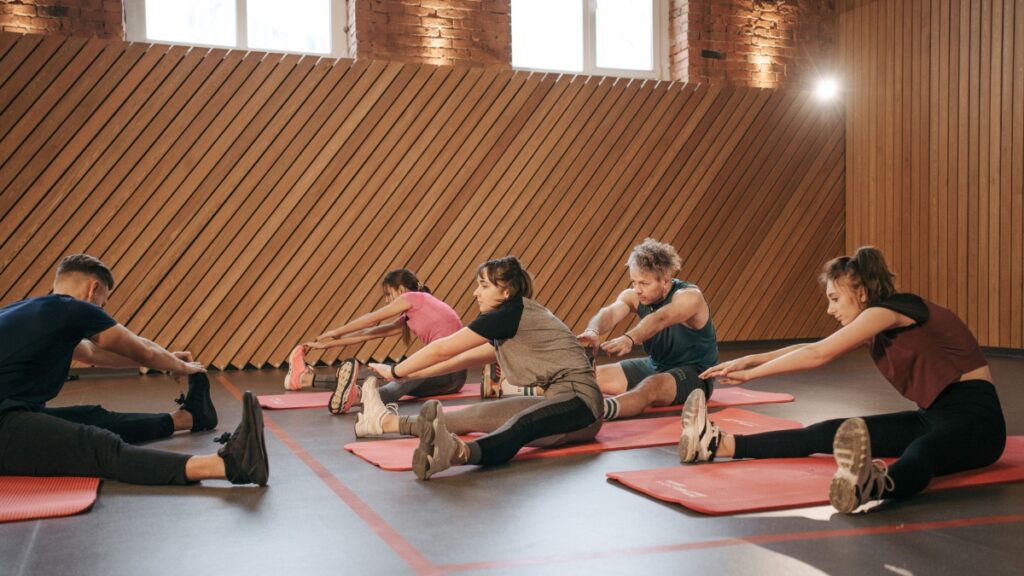
When we think of strategies to prevent or reduce the effects associated with alcohol consumption, we usually imagine complex and prolonged interventions. However, we have more and more evidence that simple and accessible actions can produce immediate changes in our brain and emotional well-being. A recent study carried out at the Autonomous University of Madrid provides new data in this direction. The research, carried out with 100 young people between 18 and 25 years of age, analysed the effect of a single 12-minute session of physical exercise on different cognitive, emotional and physiological indicators. The participants randomly performed a high-intensity cycling session or a stretching routine accompanied by controlled breathing. In addition, the response of young people with a risky alcohol consumption pattern was compared with that of those without this profile.
The results revealed some relevant differences. Firstly, young people with risky alcohol consumption showed greater difficulties in aspects related to impulsivity and emotional regulation, especially women. These alterations are especially important because they are related to decision-making, stress management and vulnerability to risky behaviours. Perhaps the most interesting thing was to see that the brain responds immediately to physical exercise, although not all types of exercise generate the same effects.
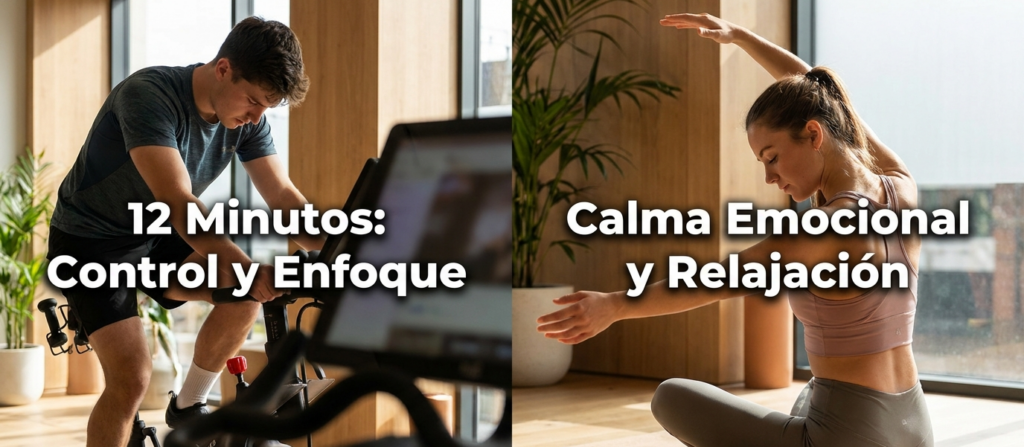
The intense cycling session improved performance on tasks related to executive control, a set of cognitive functions that help us plan, concentrate and control our impulses. In contrast, stretching produced more marked changes in brain activity associated with states of relaxation, suggesting a beneficial effect on calmness and emotional regulation. Another striking finding was that participants with moderate alcohol consumption perceived intense exercise as more demanding and showed a greater physiological response to exertion, reflected in higher levels of cortisol, a hormone related to stress.
These results invite us to reflect on an important issue, which is that there is no single form of exercise suitable for all people or for all objectives. While some activities could be especially useful to enhance cognitive performance, others could be more effective in reducing anxiety or promoting emotional well-being. Adapting the recommendations to the specific characteristics and needs of each person could significantly increase the benefits of these interventions. In addition, in a context in which mental health problems and risky consumption represent a major challenge for the young population, physical activity emerges as a simple, economical and accessible tool.
Elliott, A.S.; Regodón-Virgós, B.; Cordellat-Marzal, A.; Stern, E.; Capilla, A.; Moreno-Fernández, R.D.; Sampedro-Piquero, P. (2026). Differential cognitive, neurophysiological, and stress responses to acute cycling and stretching in young adults with risky alcohol use. Pharmacology, Biochemistry and Behavior, 263, 174190, https://doi.org/10.1016/j.pbb.2026.174190
Acknowledgements: This study has been funded by the Spanish Ministry of Health (Government Delegation for the National Plan on Drugs, code 2024I030) and by ERDF/Ministry of Science and Innovation and the State Research Agency (AEI, MCIN/AEI/10.13039/501100011033/ERDF, EU, code PID2022-137601OA-I00). The Faculty of Psychology of the Autonomous University of Madrid (UAM) and the SINAPSICO Institute of the Francisco de Vitoria University (UFV) participate as collaborating centers.