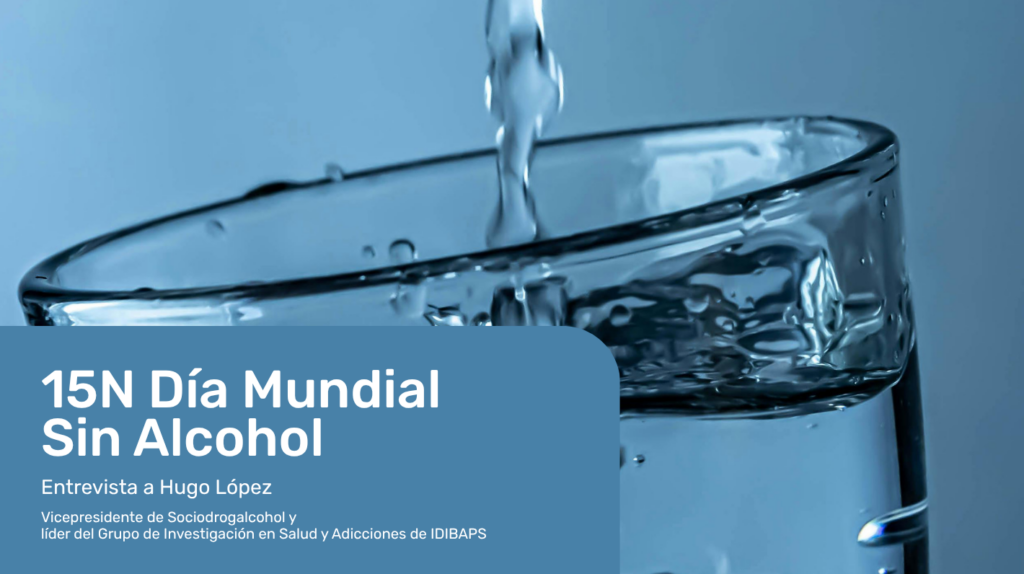
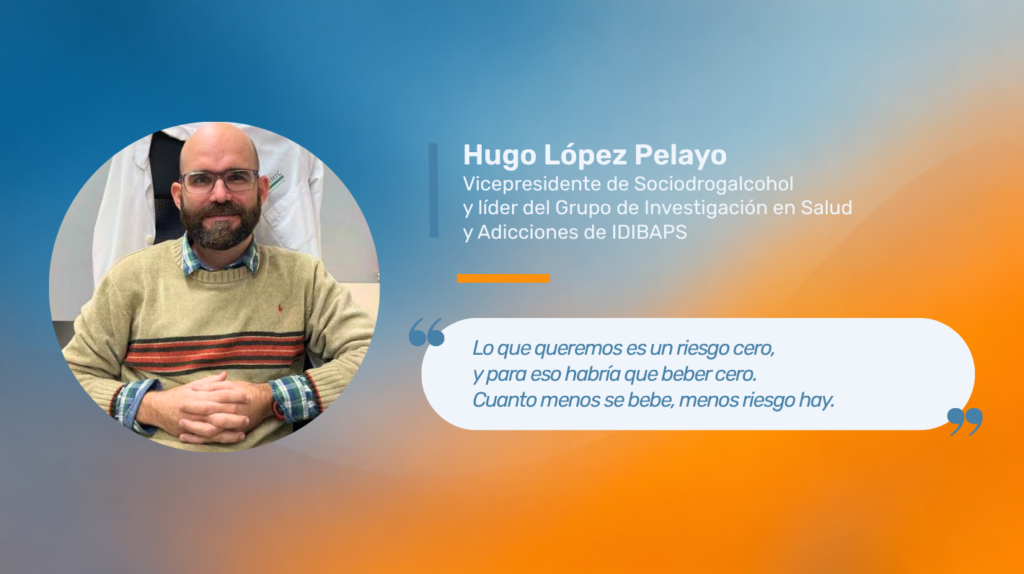
On the occasion of World No Alcohol Day, we spoke with Hugo López Pelayo, vice president of Socidrogalcohol and leader of the Health and Addictions Research Group at IDIBAPS. In this first interview about alcohol and its effects, we ask ourselves: what are its most unknown effects? Is it difficult to say no to alcohol? Are non-alcoholic beverages a good alternative?
What effects of prolonged alcohol consumption on physical and mental health do we often overlook?
In terms of physical health, alcohol consumption, even of low intensity and frequency, increases the risk of developing some types of cancer: those of the upper airways (mouth and throat), breast cancer in women and colon cancer in men and women. In mental health, the image that people drink alcohol because they are depressed is widespread, but in reality alcohol is a cause of depression.
What specific changes can we make to the way we drink to reduce the risks associated with alcohol?
What we want is zero risk, and to achieve that, we’d have to drink nothing at all. The less you drink, the lower the risk. Above all, you should avoid binge drinking.
How can we say no when we’re offered alcohol at a meal or when out with friends without feeling uncomfortable or having to justify ourselves?
Like any skill, it comes with practice: the more times you say no, the easier it will be next time. We can also ask the other person why we should actually say yes.
What is your opinion on non-alcoholic beer and wine, now that they’re becoming increasingly common on store shelves?
It’s good news that there’s a wider selection of non-alcoholic beverages. For people who haven’t had any problems with alcohol, it’s a healthier alternative. People who have had or currently have a problem with alcohol should seek medical advice, since in some cases the smell or taste may remind them of alcoholic beverages. In short, for the general population, it’s a good alternative, while people with an alcohol use disorder should consult their psychiatrist or psychologist and, if feasible, tailor their approach accordingly.
We’ll continue discussing this topic in December, with more interviews with professionals and researchers!